
Rent an ATV in Milos: What to Know Before You Book

Renting an ATV in Milos is one of the easiest ways to explore the island with more freedom. From beaches and villages to sunset spots and coastal routes, having your own vehicle allows you to move at your own pace instead of depending on buses, taxis or last-minute availability. But before you rent an ATV in Milos, it is important to know what to check. The right booking is not only about finding the lowest price. You need to understand the driving license requirements, insurance terms, pickup options, road restrictions and the type of quad that fits your trip. With a little preparation, your ATV rental experience can be much smoother from the moment you arrive on the island. This guide explains the key things to consider before booking, so you can choose your vehicle with more confidence and enjoy Milos without unnecessary stress. Why Renting an ATV in Milos Needs Some Planning Milos is a popular island, especially during the summer months, and vehicle availability can become limited quickly. If you wait until the last minute to rent an ATV in Milos, you may not find the type of quad that fits your needs, your route or your budget. Planning ahead helps you make a better choice. Instead of booking the first available vehicle, you can compare options, check the rental terms and choose an ATV that matches the way you want to explore the island. This is especially important if you are traveling as a couple, planning full-day routes or arriving during high season. Price is important, but it should not be the only factor. A very cheap option may not always offer the comfort, support or clear insurance terms you need. Before booking, it is worth thinking about how many hours you will use the ATV each day, where you want to go and how much comfort you expect. If you are still comparing vehicle types and engine options, read our guide: ATV Rental Milos: How to Choose the Right Quad for Your Trip. Check the Driving License Requirements Before you rent an ATV in Milos, make sure you have the right driving license. This is one of the first things you should check, because rental requirements can depend on the vehicle category, the engine size and the country where your license was issued. If you are traveling from another European country, your standard driving license may be accepted, as long as it is valid for the type of vehicle you want to rent. If you are traveling from outside the European Union, it is a good idea to check whether you also need an International Driving Permit before arriving in Greece. You should also confirm the minimum driver age before booking. Some rental companies may have different age requirements depending on the type of ATV or quad. Checking this in advance can help you avoid problems during pickup. The safest approach is to ask the rental company directly before confirming your reservation. This way, you know that your license is valid, your booking is correct and you can collect your ATV without delays. Understand the Insurance Before You Confirm Insurance is one of the most important things to check before you rent an ATV in Milos. Many travelers focus only on the daily price, but the insurance terms can make a big difference if something goes wrong during the rental period. Before confirming your booking, ask what type of insurance is included and whether there is an excess amount in case of damage. You should also understand what is not covered. In many cases, damage caused by careless driving, unsuitable roads, restricted areas or use outside the rental terms may not be included in the insurance. This is especially important in Milos, because some parts of the island may look accessible on the map but may not be suitable for ATV use. A reliable rental company should explain clearly where you can drive, what the insurance covers and which routes or situations you should avoid. Clear insurance terms help you travel with more confidence. Instead of worrying about hidden costs or unclear conditions, you know what to expect before you collect the vehicle and start exploring the island. Choose Pickup and Drop-Off That Save You Time Pickup and drop-off options can make your ATV rental in Milos much easier, especially if you are arriving during the high season. When many travelers reach the island at the same time, having your vehicle arranged in advance can help you avoid delays and start your trip more smoothly. Before you book, check whether the rental company offers pickup at Milos port, Milos airport or near your accommodation. This is especially useful if you arrive by ferry with luggage or if your hotel is not close to the main rental offices. A well-organized pickup can save you time and make your first day on the island less stressful. Drop-off is also important. If you can return the ATV at a convenient location, you avoid unnecessary transfers before your departure. This can be helpful when you have an early ferry, a flight or a tight travel schedule. For many visitors, choosing ATV rental near Milos port or arranging ATV rental at Milos airport is not only about convenience. It is also about making the whole travel experience more organized from the moment they arrive until the moment they leave. Book the Right ATV for Your Route The right ATV depends on the way you plan to move around Milos. If you only need a vehicle for short distances between your accommodation, nearby beaches and villages, a simple quad may be enough. But if you want to spend full days exploring the island, comfort and stability become much more important. For couples, a larger ATV can make longer routes easier and more enjoyable. Two people on the same quad need enough space, power and balance, especially if they plan to visit several places in one day. For solo travelers, a smaller
ATV Rental Milos: How to Choose the Right Quad for Your Trip

Choosing the right vehicle can completely change the way you experience Milos. The island is famous for its volcanic landscapes, colorful fishing villages and unique beaches, but many of its most memorable places are not always easy to enjoy if you depend only on buses, taxis or last-minute transportation. That is why ATV rental in Milos has become one of the most popular choices for travelers who want more freedom during their stay. A quad gives you flexibility, easy parking and the ability to move at your own pace, whether you are planning a relaxed beach day, a sunset route through the villages or a full day of exploring different parts of the island. However, choosing an ATV is not only about finding the cheapest option. The right quad depends on your travel style, the number of people riding, the routes you want to follow and the level of comfort you expect. Some travelers need a simple vehicle for short distances, while others may prefer a more powerful and comfortable ATV for longer days around Milos. Why ATV Rental in Milos Is So Popular Milos is not the kind of island where you want to stay in one place. Its beauty is spread across different landscapes, from volcanic beaches and small fishing villages to hilltop settlements, coastal roads and quiet corners that feel completely different from one another. For many visitors, this variety is exactly what makes the island special. This is also why ATV rental in Milos is such a popular choice. A quad gives travelers the freedom to explore the island without depending on fixed bus routes, limited taxi availability or strict schedules. You can start your day in Adamas, visit a beach in the morning, stop for lunch in Pollonia, continue to Plaka for sunset and return at your own pace. Another reason travelers choose an ATV is convenience. Parking is often easier compared to a car, especially near busy villages or popular beaches during the high season. For couples and friends, a quad can also make the journey feel more connected to the island, because you experience the landscape, the wind and the scenery in a more direct way. Of course, renting a quad in Milos is not only about adventure. It is also about practicality. The right ATV can help you move comfortably between beaches, villages and viewpoints, while keeping your trip flexible from morning to evening. This makes Milos ATV rental a strong option for visitors who want to see more of the island without feeling limited by transportation. What Type of Quad Do You Actually Need in Milos? Not every quad offers the same experience. When planning ATV rental in Milos, it is important to think beyond the vehicle category and focus on how you actually want to use it during your trip. A quad that works perfectly for short rides around Adamas may not be the best choice for a full day of exploring beaches, villages and viewpoints across the island. The right ATV depends on a few simple factors: how many people will ride, how long your daily routes will be, how much comfort you need and whether you are planning relaxed coastal drives or more demanding island exploration. Milos may not be a huge island, but distances can feel longer when you are moving from one side to another several times in the same day. For solo travelers, a smaller quad may be enough for easy routes and short distances. For couples, comfort and engine power become more important, especially if both riders will spend several hours on the vehicle. For travelers who want to explore different parts of Milos from morning until sunset, choosing a stronger and more comfortable ATV can make the experience much smoother. The goal is not always to rent the biggest quad available. The goal is to choose the ATV that fits your route, your driving confidence and your travel style. This is what makes Milos ATV rental more than a simple transportation decision. It becomes part of how you experience the island. For Short Distances and Easy Routes If your plan is mainly to move between Adamas, Plaka, Tripiti, Pollonia and nearby beaches, you may not need the most powerful quad available. For short distances and easy routes, a smaller ATV can be a practical choice, especially if you are traveling solo or you want a simple vehicle for relaxed daily movement. This type of quad is usually easier to handle, easier to park and suitable for visitors who do not plan to spend the entire day driving around the island. It can be a good option if your accommodation is close to the main villages and you only need transportation for beach visits, dinner reservations or short scenic routes. However, even for simple routes, comfort still matters. Milos has areas where the road can feel more exposed because of wind, sun or traffic during the high season. Before choosing the cheapest option, think about how many hours you will actually spend on the ATV each day. For Couples Who Want More Comfort For couples, choosing the right quad is even more important. Two people on the same ATV need more comfort, better stability and enough power for longer routes. If you are planning to visit several beaches in one day or move between different parts of Milos, a larger ATV can make the experience much easier. Comfort becomes especially important during full-day exploration. A route that looks short on the map can feel longer when you add beach stops, village visits, photo stops and sunset plans. For this reason, couples often benefit from choosing a quad that feels more stable and comfortable, rather than simply selecting the most basic model. A more suitable ATV can also make the ride more enjoyable. Instead of worrying about whether the vehicle feels strong enough for two people, you can focus on the route, the landscape and the experience of discovering Milos at your own pace.
Villa Transfers in Mykonos: Why Luxury Villas Need Organized Private Transportation
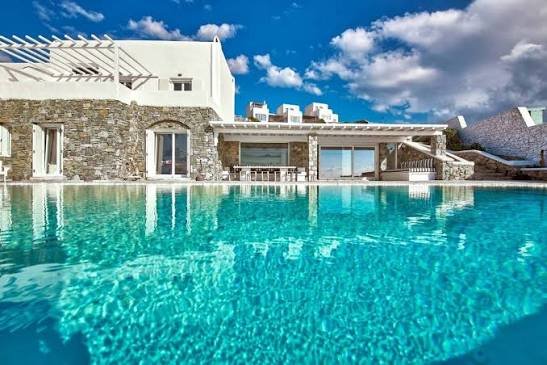
Staying in a luxury villa in Mykonos offers privacy, comfort and a more exclusive way to experience the island. However, villa stays also come with specific transportation needs. Many private villas are located away from the busiest central areas, which means that reaching the airport, beaches, restaurants, beach clubs and nightlife spots requires proper planning. This is why villa transfers in Mykonos are an important part of a smooth and stress-free stay. Relying only on last-minute taxi availability can become difficult, especially during high season, when demand for transportation is high across the island. For villa guests, having organized private transportation can make every route easier, from the first airport pickup to late-night returns. Whether you are arriving with luggage, traveling with family or friends, planning beach club visits or organizing a full evening schedule, a reliable transfer service can give you more comfort and control. In this article, we explain why luxury villas in Mykonos need organized private transportation and why Mykonos Must is one of the best choices for villa transfers on the island. Why Villa Transportation in Mykonos Needs Planning Villa transportation in Mykonos needs planning because many luxury villas are located in private, quieter or less central areas of the island. This is one of the reasons guests choose them, but it also means that moving to and from the villa is not always as simple as finding a taxi at the last minute. A villa stay often includes several different routes during the same day. Guests may need a transfer from the airport to the villa, a ride to a beach club, transportation to dinner in Mykonos Town and a late-night return after a club or private event. Without organized transportation, each of these movements can become a separate challenge. During high season, the need for planning becomes even more important. Taxi demand rises quickly around the airport, port, popular beaches, restaurants and nightlife areas. If your villa is not close to a central pickup point, waiting for last-minute availability can create delays and unnecessary stress. Organized villa transfers in Mykonos give guests more comfort, better timing and peace of mind. With a confirmed pickup, a clear destination and a driver who already knows the route, every movement around the island becomes easier and more reliable. Διαβάστε επίσης στο PrimeLife: Mykonos airport transfer: Πολυτελής μεταφορά από το αεροδρόμιο Why a Regular Taxi May Not Be Enough for Villa Guests A regular taxi can be useful for simple routes in Mykonos, but villa guests often need a more organized transportation solution. Staying in a private villa usually means moving between different areas of the island throughout the day, and this can be difficult to manage if every ride depends on last-minute taxi availability. For example, a villa guest may need an airport pickup, a transfer to the villa, a ride to a beach club, transportation to a restaurant and a late-night return after going out. These routes often require good timing, clear pickup points and reliable coordination, especially when guests are traveling with luggage, family, friends or a larger group. Another challenge is location. Many villas are not located next to central taxi stands or busy pickup areas. This means that finding a taxi exactly when you need one may take longer than expected, especially during high season or late at night. For a wider look at taxis, transfers and island routes, you can read our complete Mykonos taxi guide before organizing your villa transportation. It explains how different transportation options work across the island and why planning ahead can make your stay in Mykonos much easier. Διαβάστε επίσης στο PrimeLife: Mykonos chauffeur: Πολυτελείς μετακινήσεις με ιδιωτικό οδηγό Airport Arrivals: The First Transfer to Your Villa The first transfer from Mykonos Airport to your villa is one of the most important routes of your stay. After landing, guests usually want to leave the airport quickly, avoid unnecessary waiting and reach their villa in comfort. This is especially important when arriving with luggage, family, friends or a larger group. A pre-arranged villa transfer makes the arrival experience much smoother. Your pickup time, destination and villa location can be confirmed in advance, so there is no need to search for a taxi or explain directions after landing. This is very useful in Mykonos, where many villas are located in private or less central areas. During high season, airport arrivals can create high demand for taxis and transfers. If several flights land close to each other, waiting times may increase, especially for guests who have not planned their transportation before arriving. An organized transfer helps avoid this problem and gives visitors a more relaxed start to their villa stay. If your stay begins at the airport, arranging your Mykonos airport transfer in advance is the easiest way to reach your villa without delays. It gives you a confirmed route from the airport to your accommodation and helps you begin your Mykonos experience with comfort and peace of mind. Διαβάστε επίσης στο PrimeLife: VIP transfer Μύκονο: Μετακινήσεις υψηλού επιπέδου στο νησί Why Taxi Availability Can Be a Problem During High Season Taxi availability can become a real challenge in Mykonos during high season, especially for guests staying in private villas. The issue is not only how far the villa is from the main areas of the island. It is also about timing, demand and the number of visitors trying to move at the same time. Airport arrivals, ferry schedules, beach club departures, dinner reservations and late-night returns all create busy transportation periods. When many visitors are looking for a taxi at the same time, villa guests may find it harder to arrange a ride quickly, especially if their accommodation is located away from central pickup points. This can affect the whole schedule of the day. A delayed pickup from the villa can make guests late for a restaurant booking, a beach club reservation or a planned evening out. Late at night, the situation can become even more difficult, as many people are
What to See in Milos by Boat: Caves, Beaches and Hidden Coastlines

Milos is often described through its beaches, traditional villages and volcanic landscape. Yet some of its most distinctive scenery can only be fully appreciated from the water. The coastline changes constantly, moving from pale rock formations and natural caves to quiet bays and clear swimming areas. Some places are difficult to reach from land, while others reveal their true scale only when approached by boat. This makes a journey around the island more than a simple excursion. It becomes a way to understand how the sea has shaped the character of Milos. For travellers planning a milos boat tour, the most memorable part of the experience is often the variety. A single route may include dramatic cliffs, sheltered waters, remote coastlines and views of nearby islands. Each stop presents a different side of the destination, creating a journey that feels varied without becoming rushed. Kleftiko: the most recognisable seascape in Milos Kleftiko is one of the places most closely associated with Milos. Its white rock formations, natural arches and sea passages create a landscape that is immediately recognisable. Approaching Kleftiko from the water gives visitors time to observe how the formations emerge from the coastline. The view changes gradually as the boat moves closer, revealing caves, openings and sections of rock that are not visible from a single fixed point. The surrounding water is clear and inviting, making the area suitable for swimming and closer exploration. Rather than simply seeing Kleftiko from a distance, visitors can experience the relationship between the rock, the sea and the light. This is one of the main reasons why Milos Boat Tour: The Best Way to Discover the Island by Sea offers such a complete introduction to the island. The journey does not treat Kleftiko as an isolated landmark, but as part of a wider coastal landscape. Sykia Cave: a landscape transformed by sunlight Sykia is another important natural formation along the western coastline of Milos. The cave is known for the large opening in its roof, which allows sunlight to enter the interior. This opening creates changing reflections on the water and rock. The appearance of the cave can vary depending on the position of the sun, the sea conditions and the time of day. Sykia is especially interesting because it shows how closely the island’s geology is connected with the sea. The cave is not simply a rock formation to observe. It is an environment shaped by light, water and natural erosion. Reaching the area by boat also provides a broader view of the surrounding cliffs. Visitors can see how the cave fits into the wider western coastline rather than viewing it as a separate attraction. Polyegos: clear water and a sense of distance Polyegos offers a different type of experience. As the largest uninhabited island in the Aegean, it has a quiet and open atmosphere that contrasts with the more visited parts of Milos. The waters around Polyegos are known for their clear turquoise appearance. In calm conditions, the colour can appear particularly intense, creating an ideal setting for swimming and relaxation. The lack of permanent settlement contributes to the feeling of distance from everyday activity. There are no busy streets or crowded coastal facilities. The landscape feels natural and largely undisturbed. For many visitors, Polyegos becomes one of the most peaceful parts of the journey. It offers time to enjoy the water and the surrounding scenery without the sense of moving quickly between major landmarks. Manolonisi: a quiet stop in clear Aegean waters Manolonisi adds another calm and scenic point to a coastal route. Its clear water and peaceful surroundings make it suitable for swimming and enjoying the natural setting. The value of a stop here lies in its simplicity. There may be no dramatic cave or famous rock formation to photograph, but the quiet atmosphere allows visitors to slow down and enjoy the experience of being at sea. This balance is important during a full coastal journey. Dramatic landmarks such as Kleftiko create moments of visual impact, while quieter locations such as Manolonisi give the day a more relaxed rhythm. Together, these different stops prevent the cruise from feeling like a checklist of attractions. Instead, the journey moves naturally between exploration and rest. Kalogries: a calm setting for swimming Kalogries is known for its clear water and peaceful surroundings. It offers a gentler landscape than the more rugged sections of western Milos. A swimming stop here can provide a welcome contrast after visiting caves and steep rock formations. The calmer atmosphere encourages visitors to spend time in the water or relax on board while enjoying the view. The changing character of the coastline is one of the strongest features of a boat journey around Milos. Within the same day, visitors may encounter dramatic cliffs, enclosed caves and open swimming areas such as Kalogries. This variety helps explain why the sea offers such a complete perspective on the island. Milos is not defined by one type of coastal scenery, but by the way different environments appear within a relatively small area. Cape Vani: the rugged western coastline Cape Vani presents a more dramatic side of the island. Its steep cliffs and rugged landscape create a strong contrast with the sheltered bays and calm swimming spots found elsewhere. Passing Cape Vani by sea allows visitors to observe the scale of the cliffs and the changing colours of the rock. The coastline feels exposed and powerful, offering a reminder that Milos has been shaped by natural forces over a long period. This part of the journey is often more about observation than swimming. The view from the boat provides a perspective that is difficult to reproduce from land. Cape Vani also contributes to the overall sense of movement around the island. It marks a section of coast where the scenery becomes more dramatic before the route continues towards calmer waters. Gerakas: a striking southern landscape When sea conditions make the western route unsuitable, a cruise may follow the southern coastline instead.
Milos Boat Tour: The Best Way to Discover the Island by Sea

Milos is an island shaped by the sea. Its coastline is marked by white rock formations, sea caves, sheltered swimming spots and dramatic changes in colour that are difficult to appreciate fully from the land. Roads and beaches reveal part of its character, but many of the island’s most distinctive landscapes are found along sections of coast that are best approached by boat. For this reason, a Milos boat tour is not simply another activity to add to a holiday itinerary. It offers a different way to understand the island, connecting well-known landmarks with quieter coastal scenery and allowing visitors to experience the landscape at a more considered pace. From the striking formations of Kleftiko to the clear waters around Polyegos, a day at sea presents a side of the Cyclades that cannot be reproduced through a conventional road trip. The journey itself becomes part of the experience, with changing views, swimming stops and time to enjoy the natural surroundings without constantly moving from one crowded location to another. Why Milos is best explored from the sea Milos has an unusually varied coastline. In the course of a single journey, the scenery can shift from steep rock faces and sea caves to calmer bays and stretches of clear blue water. These changes are closely connected to the island’s distinctive natural character and are among the main reasons why sea-based exploration is such an important part of a visit. Some locations are difficult to reach by road, while others reveal their full scale only when viewed from the water. From the deck of a boat, visitors can observe how the cliffs, caves and coastal formations connect with one another. Instead of seeing isolated landmarks, they gain a more complete picture of the island. A Milos boat tour also changes the rhythm of sightseeing. Travelling by car often means dealing with parking, road conditions and repeated transfers between locations. At sea, the movement between destinations feels more fluid. The coastline remains visible throughout the journey, so there is no clear separation between travelling and exploring. This is especially valuable during the summer months, when popular beaches and accessible locations can become busy. A day on the water offers a more balanced way to experience Milos, combining recognised highlights with moments of calm between each stop. Kleftiko: the landscape most closely associated with Milos Kleftiko is one of the most recognisable natural landmarks on the island. Its tall white rocks, natural passages and clear waters have become closely associated with the image of Milos. Approaching Kleftiko by sea allows the landscape to unfold gradually. The formations become increasingly visible as the boat moves closer, giving visitors time to understand their scale and structure. What appears as a striking photograph on a screen becomes a far more immersive setting when experienced from the water. The area also offers opportunities for swimming and exploration. Rather than treating Kleftiko as a place to view briefly before moving on, a well-organised cruise allows time to appreciate the surroundings and enjoy the water. This slower approach is important. The value of Kleftiko does not lie only in seeing the famous white rocks. It lies in experiencing the relationship between the cliffs, the sea and the changing light throughout the day. Sykia: a natural formation shaped by light and water Sykia is another important point along the western side of Milos. The sea cave is known for the large opening in its roof, which allows sunlight to enter and alter the appearance of the interior. The colours of the water and rock can change depending on the position of the sun, creating a setting that looks different throughout the day. This makes Sykia more than a fixed landmark. It is a place where light, water and geology continuously reshape the visitor’s view. Its location and structure mean that it is naturally connected with a journey by sea. Approaching the area by boat gives visitors a clearer sense of the surrounding coastline and of how the cave fits into the wider landscape of western Milos. Travellers interested in the island’s natural formations can explore this subject further through What to See in Milos by Boat: Caves, Beaches and Hidden Coastlines, which looks more closely at the different environments revealed during a coastal journey. Polyegos and Manolonisi: a quieter side of the Aegean A different type of scenery can be found around Polyegos. Known as the largest uninhabited island in the Aegean, it stands out for its natural setting and clear turquoise waters. The atmosphere here differs from the busier parts of the Cyclades. The lack of permanent settlement and the open coastal environment create a stronger sense of distance from everyday activity. For many visitors, this contrast is one of the most memorable elements of the journey. Nearby Manolonisi adds another dimension to the route. Its calm surroundings and clear water make it a natural place for relaxation and swimming. The experience is less about checking off another destination and more about spending time in a setting that feels peaceful and undisturbed. Depending on the selected route and the conditions of the day, a cruise may also include views of Kimolos. This provides an additional perspective on the wider island group and reinforces the sense that a boat journey around Milos is part of a broader Aegean experience. Kalogries and Cape Vani: contrasting views of western Milos One of the strengths of a Milos boat tour is the variety between different parts of the coastline. Kalogries and Cape Vani demonstrate this contrast particularly well. Kalogries is associated with calmer surroundings and clear water, making it suitable for a refreshing swimming stop towards the later part of the journey. The setting offers a gentle change of pace after the more dramatic rock formations encountered earlier in the day. Cape Vani presents a different image. Its steep cliffs and striking western coastline highlight the more rugged side of Milos. Passing the cape by sea allows visitors to observe the landscape from
Golden Visa Greece 2026: What Changed and What Stays the Same

For international investors tracking the Greek Golden Visa programme, 2026 arrives with a clear message: the framework is stable, the thresholds are set, and the window to act is open. The most significant changes to the programme were introduced in 2024 — the move to a tiered investment structure and the increase in minimum thresholds for high-demand areas. Those changes are now fully embedded. What investors need in 2026 is not a warning about imminent reform, but a clear picture of exactly where things stand. This article covers what changed, what stayed the same, and what it means for investors making decisions right now. For a complete property and location guide, see our companion article on which is the best real estate for a Golden Visa in Greece. What Changed: The 2024 Threshold Reform — Still in Effect in 2026 The most important change to the Greek Golden Visa programme in recent years was the introduction of a tiered investment structure in 2024. This replaced the previous single €250,000 minimum with a location-based system that remains fully in force in 2026. The New Thresholds €800,000 applies to properties in: Attica (Athens, Piraeus, and all suburbs) Thessaloniki Mykonos Santorini Crete Rhodes All islands with a permanent population exceeding 3,100 residents A minimum property size of 120 sqm applies in this tier. €400,000 applies to: All other regions of mainland Greece Islands with fewer than 3,100 permanent residents Regional cities outside the high-demand zones A minimum property size of 120 sqm also applies here. €250,000 remains available exclusively for: Conversion of commercial properties into residential use Restoration of listed buildings No minimum size requirement applies to the €250,000 category. What This Means in Practice The threshold reform effectively segmented the market. Investors targeting Athens, the islands, or any of Greece’s most internationally recognised destinations now need to plan for the €800,000 tier. Those open to regional Greece or smaller islands can still access the programme at €400,000 — with no meaningful reduction in the visa benefits themselves. What Stayed the Same: The Core Programme Benefits Despite the threshold changes, the fundamental structure and benefits of the Greek Golden Visa programme remain unchanged. Five-Year Renewable Residence Permit The Golden Visa is issued for five years and is renewable indefinitely, provided the qualifying investment is maintained. There is no limit on the number of renewals. No Minimum Stay Requirement Greece does not impose a minimum number of days in the country to maintain or renew the residence permit. This distinguishes the Greek programme from several competing European schemes and remains one of its most attractive features for investors who do not intend to relocate full-time. Family Inclusion Under One Investment The investor’s spouse and children up to 21 years of age are covered under the same qualifying investment. No additional investment is required for family members, and no separate applications are needed. Schengen Area Access Golden Visa holders can travel freely across all 29 Schengen Area countries. This benefit applies to the investor and all included family members. Path to Greek Citizenship After seven years of legal residency in Greece, Golden Visa holders become eligible to apply for Greek citizenship — and with it, a European Union passport with full rights across all EU member states. Long-Term Rental Income Permitted Investors can earn rental income from their Golden Visa property through long-term leases. Short-term rental platforms are not permitted for qualifying properties under current regulations — a restriction that has been in place since the 2024 reform and remains unchanged in 2026. What Has Not Changed: The Application Process The application process for the Golden Visa Greece programme follows the same structure it has since the programme’s introduction in 2013. No significant procedural changes have been introduced in 2026. The main steps remain: Obtain a Greek Tax Registration Number (AFM) Open a Greek bank account (recommended, not mandatory) Select and legally verify the qualifying property Complete the property purchase before a Greek notary Submit the residence permit application with full documentation Attend biometric data collection in Greece Receive the residence permit — typically within 2 to 4 months Processing times have remained broadly consistent at 2 to 4 months from application submission, making Greece one of the fastest residency-by-investment programmes in Europe. What Investors Are Asking in 2026 Is the programme still worth it at €800,000? For investors targeting Athens, Mykonos, Santorini, Crete, or Rhodes, the answer is yes — provided the investment is evaluated on its own merits as a real estate asset. These markets offer rental yields of 4–7% on long-term leases, strong resale liquidity, and long-term appreciation potential that makes the €800,000 entry cost justifiable independent of the visa benefit. For a detailed breakdown of the best areas to invest in Greece for a Golden Visa in 2026, see our companion article Golden Visa Greece: Best Areas to Invest in 2026. Will thresholds increase again? There are no announced changes to the threshold structure for 2026. The 2024 reform was significant and appears to have settled into a stable framework. Investors monitoring the programme for signs of further reform will find the current environment relatively calm. Is the €250,000 tier still accessible? Yes — but only for specific project categories. Commercial-to-residential conversions and restoration of listed buildings remain eligible at €250,000. Standard residential purchases do not qualify at this threshold. Investors interested in this category should obtain specialist legal advice before proceeding, as the qualifying criteria are narrowly defined. Can I still include my parents in the application? The programme covers the investor, their spouse, and children up to 21 years of age under a single investment. Parents of the investor or spouse may be eligible for inclusion under certain conditions — this is an area where legal advice specific to individual circumstances is essential. The Stability Advantage: Why 2026 Is a Good Time to Act One of the less discussed advantages of the current environment is simply its predictability. The threshold reform of 2024 created uncertainty for investors
Golden Visa Greece: Best Areas to Invest in 2026
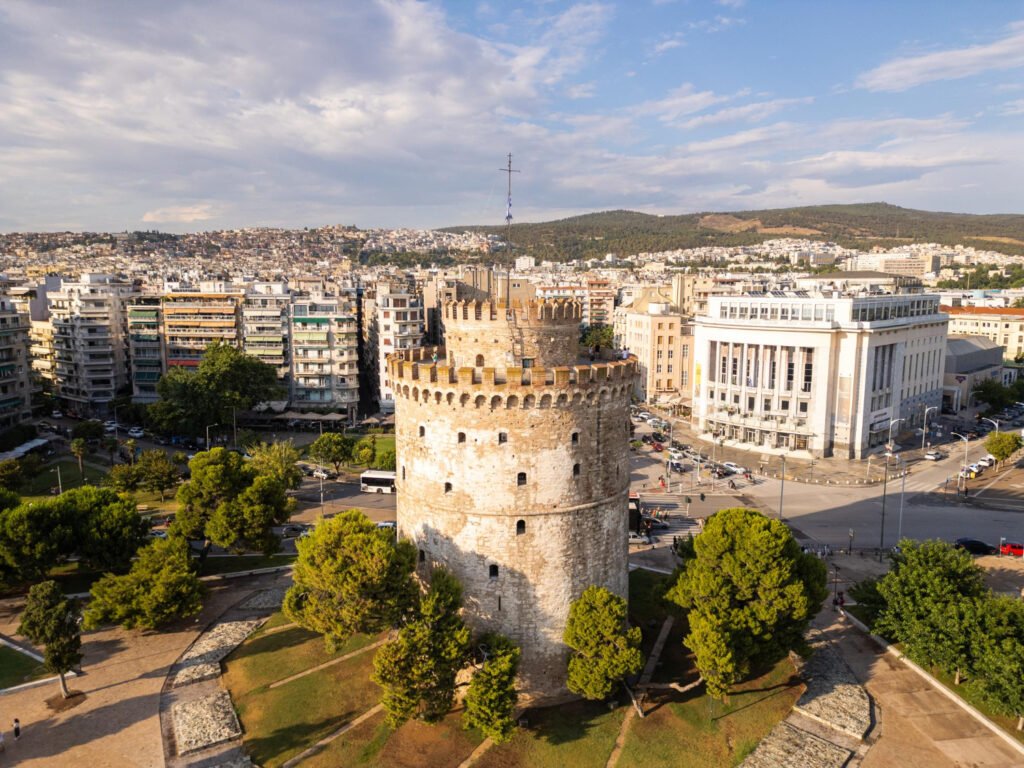
Greece offers one of the most flexible residency-by-investment programmes in Europe — but the location of your property determines more than just your lifestyle. It determines your investment threshold, your rental income potential, and the long-term performance of your asset. This guide covers the best areas to invest in Greece for a Golden Visa in 2026, broken down by investment tier, market fundamentals, and investor profile. Whether you are targeting the €800,000 tier in Athens or exploring €400,000 opportunities in smaller islands and regional Greece, understanding each market before you commit is essential. For a complete overview of how to choose the best real estate for a Golden Visa in Greece — including property types, thresholds, and partner selection — see our guide on which is the best real estate for a Golden Visa in Greece. The €800,000 Investment Tier: Where It Applies and Why It Still Makes Sense The higher investment threshold applies to properties located in Attica (Athens and its suburbs), Thessaloniki, Mykonos, Santorini, Crete, Rhodes, and all islands with a population exceeding 3,100 residents. While the entry cost is higher, these markets offer something the €400,000 tier often cannot: depth. Deep rental demand, high resale liquidity, international buyer interest, and consistent long-term appreciation. For investors who view their Golden Visa property primarily as a financial asset, the €800,000 tier deserves serious consideration. Athens — The Benchmark for Golden Visa Real Estate Investment Athens is the first choice for the majority of international Golden Visa investors, and for good reason. The city combines the strongest rental demand in Greece, the most liquid resale market, and a track record of consistent price appreciation that has outperformed most European secondary cities over the past five years. Southern Suburbs and the Athens Riviera The southern suburbs — Glyfada, Voula, Vouliagmeni, Varkiza — represent the premium end of the Athens market. The Athens Riviera corridor has attracted significant infrastructure investment in recent years, with luxury residential developments, marina upgrades, and hospitality projects transforming the coastline south of the city. Properties here appeal to investors seeking both lifestyle value and strong capital appreciation. Rental yields in prime Riviera locations are lower than central Athens — typically 3–5% — but long-term appreciation potential is among the highest in the country. Central Athens and the Northern Suburbs Central Athens neighborhoods such as Kolonaki, Pangrati, and Exarchia offer stronger rental yields — typically 5–7% on long-term leases — driven by consistent demand from professionals, students, and international residents. The northern suburbs, including Kifisia and Marousi, appeal to families and executives seeking larger residential properties in a more suburban setting. For investors prioritising rental income over lifestyle, central Athens remains the most straightforward choice in the entire Greek market. Thessaloniki — The Undervalued Urban Market Thessaloniki is Greece’s second-largest city and falls within the €800,000 investment tier — yet property prices in Thessaloniki are considerably lower than in central Athens, making it one of the most cost-efficient options within this threshold category. The city’s large student population — one of the largest in southeastern Europe — combined with a growing professional class and increasing international connectivity creates consistent demand for long-term residential rentals. Thessaloniki also benefits from its position as a regional business hub, with strong ties to the Balkans and southeastern European markets. For investors seeking urban fundamentals at a lower price point than Athens, Thessaloniki is a market that consistently rewards careful analysis. Mykonos — Premium Lifestyle, Limited Supply Mykonos operates as a luxury market in its own right. Property supply on the island is structurally limited — geography, planning restrictions, and strong demand from international buyers have created a market where values have proved remarkably resilient even during broader economic downturns. Rental income from long-term leases on Mykonos can be substantial, though investors should be aware that short-term rental platforms are not permitted for Golden Visa qualifying properties. The investment case for Mykonos rests primarily on capital appreciation and the lifestyle premium it offers, rather than on yield. Santorini — Iconic Value with Global Demand Santorini’s global recognition gives it a unique position in the Greek property market. International demand for property on the island — from buyers across the Middle East, Asia, and the Americas — provides a level of resale liquidity that few other Greek island markets can match. As with Mykonos, the investment thesis for Santorini centres on long-term appreciation and the premium attached to one of the world’s most recognised destinations. Entry prices at the €800,000 tier reflect this premium, but for investors with a long investment horizon, Santorini has historically delivered. Crete — Scale, Diversity, and Tourism Strength Crete is Greece’s largest island and one of its most economically significant. The island’s sheer scale means that the property market is diverse — from affordable apartments in Heraklion to luxury villas along the Elounda coastline — with opportunities across multiple price points above the €800,000 threshold. Tourism demand on Crete is among the strongest in the Mediterranean, with the island welcoming millions of international visitors annually. This creates consistent demand for long-term residential rentals from workers, international residents, and professionals, particularly in the main urban centres of Heraklion and Chania. Rhodes — History, Tourism, and Consistent Demand Rhodes combines historical significance with one of the strongest tourism records in the Aegean. The island attracts a broad international visitor base, supporting strong rental demand and offering a diverse property market that ranges from urban apartments in Rhodes Town to coastal villas along the northern and eastern coastlines. For investors seeking a market with established international appeal, proven tourism fundamentals, and long-term growth potential within the €800,000 tier, Rhodes is a consistently strong choice. The €400,000 Investment Tier: Regional Greece and Smaller Islands The €400,000 threshold applies to all regions of Greece not listed in the higher tier — mainland areas outside Attica, regional cities, and islands with fewer than 3,100 permanent residents. This tier opens up a wide range of markets that offer genuine investment potential at a lower entry
The reason sauna is the worst enemy for your veins

Saunas, hot baths, steam rooms, thermal spas and intense summer heat are often associated with relaxation, detoxification, muscle recovery and general well-being. For many people, heat exposure in sauna and other similar settings feels pleasant and temporarily soothing, Primelife editors mention. However, for individuals with varicose veins or chronic venous insufficiency, heat can become a hidden trigger. It may intensify symptoms, increase venous congestion and make already weakened veins work harder. This does not mean that every brief exposure to warmth directly creates varicose veins. Nor does it mean that one sauna session will permanently damage healthy veins. The problem is more specific: when the venous system is already compromised, heat amplifies the mechanisms that make varicose veins symptomatic. Varicose veins are not simply a cosmetic imperfection. They are visible signs of a circulatory disorder in which vein valves fail to guide blood efficiently back toward the heart. When these valves weaken, blood pools inside the veins. Pressure rises, the vein wall stretches and the familiar twisted, enlarged, bluish or rope-like veins begin to appear. Heat exposure worsens this situation because it causes blood vessels to dilate. It also encourages fluid accumulation in the lower limbs, making the legs feel heavier, more swollen, more painful and more restless. In searches for the best vascular surgeons in Greece, patients are often not merely looking for cosmetic improvement. They are looking for a specialist who understands lifestyle triggers, venous reflux and modern minimally invasive treatment. The biology of varicose veins: A pressure problem, not a surface problem To understand why heat can be harmful for people with varicose veins, it is essential to understand venous return. Arteries carry oxygen-rich blood away from the heart, while veins bring blood back to the heart. In the legs, this return journey is demanding because blood must move upward against gravity. The calf muscles act as a pump, squeezing the deep veins during walking and movement. At the same time, venous valves prevent blood from falling backward when the muscles relax. When this system functions normally, blood circulates efficiently and the legs remain light and comfortable. In chronic venous insufficiency, the valves do not close properly. Blood refluxes downward, collects in superficial or deep venous segments and creates sustained pressure inside the veins. Over time, this pressure stretches the vein wall and damages surrounding tissues. It may contribute to inflammation, edema, skin discoloration, itching, cramps and, in advanced cases, venous ulcers. Varicose veins therefore represent a structural and functional disorder. Creams, massages, cold gels and temporary lifestyle tricks may relieve discomfort, but they cannot repair a faulty valve or close an incompetent vein. This is why proper diagnosis with clinical examination and duplex ultrasound is important. Treatment must target the exact source of reflux, not only the visible vein on the skin. Why heat is a trap for varicose veins Heat is problematic for varicose veins because it encourages vasodilation, which means widening of the blood vessels. In a person with healthy veins, this response helps the body release excess heat through the skin. In a person with venous insufficiency, wider veins may allow even more pooling in the lower limbs. The already weakened vein wall becomes more distended, and the valves may separate further. This is the central reason why many patients report that their legs feel worse after a sauna, a hot shower, a hot bath, a day at the beach or prolonged sun exposure. The sauna trap is that the body may initially interpret heat as relaxation. At the same time, the venous system may experience it as extra workload. The muscles relax, peripheral vessels expand and circulation shifts toward the skin surface. For someone with varicose veins, this may translate into heaviness, throbbing, tightness, swelling around the ankles, burning sensations or visible enlargement of superficial veins. Some patients also notice that spider veins appear more prominent after heat exposure. This happens because superficial vessels dilate and become easier to see. Sauna and venous reflux: The hidden mismatch Saunas are promoted as a wellness ritual, but the vascular response they create is not neutral. A sauna exposes the body to high environmental temperatures that can produce intense peripheral vasodilation. For a person with normal venous function, this may be tolerated well. For a person with varicose veins, the same process may exaggerate venous reflux. The veins of the legs become more capacious. More blood collects in the lower extremities, and the pressure inside already incompetent veins can rise. This does not necessarily mean that sauna use is absolutely forbidden for every patient with mild varicose veins. It does mean, however, that sauna exposure should not be considered harmless in symptomatic venous disease. The risk is not only the temperature itself. It is also the combination of heat, dehydration and immobility. During sauna use, the body loses fluid through sweating. If hydration is inadequate, circulation may feel more sluggish. At the same time, the person is usually sitting or lying still. This reduces calf-muscle pump activity, which normally helps move venous blood upward. Heat expands the veins, immobility weakens the pumping mechanism and dehydration adds further stress. For patients who already experience swelling, leg fatigue or aching, this combination may turn a relaxing ritual into a flare-up. Symptoms that may worsen after heat exposure The most common heat-related symptoms in people with varicose veins include heavy legs, ankle swelling, calf pressure, throbbing pain, itching, burning, cramps and visible enlargement of veins. These symptoms often become more noticeable toward the end of the day. They may also worsen after prolonged standing, prolonged sitting or exposure to high temperatures. Some patients describe the sensation as if the legs are “full,” “tight,” or “weighted down.” Others notice that shoes feel tighter or socks leave deeper marks on the skin. These symptoms should not be ignored when they become persistent or progressive. Varicose veins may remain mild for years, but chronic venous insufficiency can also advance. Warning signs include increasing swelling, skin darkening around the ankles, eczema-like
Milos Unfiltered: Exploring Milos Beyond the Usual Path
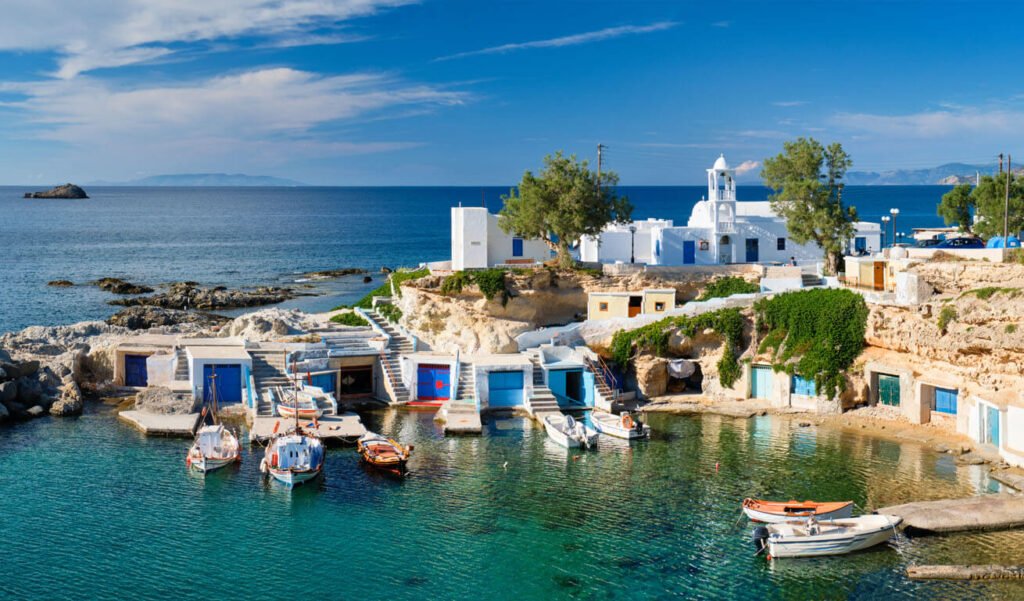
Exploring Milos doesn’t begin on a map. It begins the moment you decide to step away from what everyone else is doing. At first glance, the island feels familiar—iconic beaches, white rock formations, and the kind of views you’ve already seen countless times online. Yet, beneath that surface lies a completely different side of Milos, one that only reveals itself when you stop following the obvious path. Most travelers experience the island through convenience. They move from one well-known spot to another, staying within easy reach of paved roads and organized routes. However, Milos was never meant to be explored this way. Its true character lives in the places that require a bit more intention, a bit more curiosity, and a willingness to go further than planned. That’s where the experience shifts. Because exploring Milos isn’t just about where you go—it’s about how you choose to move through the island. And once you allow yourself that freedom, everything begins to feel different. There’s More to Milos Than What You See at First At first, Milos feels easy to understand. The island welcomes you with familiar beauty—bright white cliffs, turquoise waters, and beaches that look exactly like the photos you’ve already saved. Naturally, most travelers follow that same visual map, moving from one iconic location to the next, convinced they are experiencing the essence of the island. However, that version of Milos is only part of the story. Beneath the well-known spots lies a quieter, more raw landscape that rarely appears on curated lists or travel itineraries. It’s not hidden because it’s inaccessible in theory, but because it demands a different mindset—one that goes beyond convenience and embraces exploration. This is where the contrast becomes clear. On one side, there’s the Milos everyone visits. On the other, there’s the Milos that unfolds gradually, far from crowds and predictable routes. And the difference between the two isn’t distance—it’s the choice to look beyond what’s immediately visible. Exploring Milos Beyond the Crowds At some point, something shifts. You start noticing how every well-known spot follows the same rhythm—arrivals, photos, short stays, and then the next stop. Even the most impressive beaches begin to feel predictable, not because they lack beauty, but because they are experienced the same way by everyone. That’s usually the moment when exploring Milos takes a different direction. Instead of following the expected route, you begin to move with more intention, leaving behind the need to “see everything” and focusing instead on discovering something that feels personal. The island slowly changes pace, and so do you. Away from the main roads, the atmosphere becomes quieter. The landscape feels less curated, more authentic, almost untouched. You don’t arrive at these places by accident—you reach them because you choose to go further, to take a turn that isn’t marked, to trust that what lies ahead is worth the effort. And that’s where Milos reveals its real character. Not in the places everyone already knows, but in the ones that don’t try to be found. Διαβάστε επίσης στο PrimeLife: Μήλος εκτός διαδρομής: η εμπειρία της εξερεύνησης με ATV The Moment You Decide to Go Off the Map There’s a point in every trip where routine no longer feels enough. You’ve seen the highlights, followed the recommendations, and yet something tells you there’s more waiting beyond the obvious. In Milos, that moment arrives naturally—and once it does, it changes the way you experience the island. Stepping away from the main routes doesn’t feel like a plan. It feels like a decision made almost instinctively. You stop relying on directions and start trusting curiosity. The road becomes less defined, the surroundings more raw, and suddenly the journey itself becomes part of the experience. What you find out there isn’t just another beach or viewpoint. It’s a different rhythm. No crowds, no structure, no expectation to move on quickly. Time slows down, and the island begins to reveal details that are easy to miss when everything is scheduled. This is where Milos shifts from destination to experience. Not because you reached somewhere extraordinary, but because you allowed yourself to explore without limits. Hidden Landscapes That Redefine Exploring Milos There are parts of Milos that don’t try to impress you at first glance. No signs, no organized access, no indication that something special is waiting ahead. And yet, these are the places that often stay with you the longest. Because when you reach them, it feels like you’ve discovered something that wasn’t meant for everyone. While exploring Milos beyond the obvious, the landscape begins to change in subtle but powerful ways. The terrain becomes rougher, the colors more intense, and the silence more noticeable. Each turn reveals something different—cliffs shaped by the wind, beaches untouched by crowds, and paths that seem to exist only for those willing to follow them. These locations don’t offer convenience, but they offer something far more valuable: authenticity. There’s no rush, no noise, no distractions. Just the feeling that you’ve stepped into a version of the island that remains exactly as it should be. And that’s what truly redefines exploring Milos. Not the number of places you visit, but the kind of places you choose to reach. Διαβάστε επίσης στο PrimeLife: Η Premium Εμπειρία Μήλος: Η αυθεντική πλευρά του premium καλοκαιριού Freedom Is the Real Luxury in Milos In most destinations, luxury is easy to define. It’s the hotel, the service, the carefully designed experience. Everything is structured, predictable, and created to feel effortless. Milos, however, offers a different kind of luxury—one that doesn’t come from what is provided, but from what is possible. Here, freedom becomes the most valuable element of the journey. The ability to change direction without hesitation, to stay longer in a place that feels right, or to leave without a plan and see where the island takes you. Nothing is fixed, and that’s exactly what makes the experience feel more personal. Unlike organized travel, where every moment is designed in advance, Milos invites you to move
Chauffeur vs car rental Mykonos: A strategic analysis for Luxury Travelers in 2026

In high-end travel, the way you move is not a secondary decision. It is a defining part of how the entire experience unfolds. In destinations such as Mykonos, where movement is constant and conditions change throughout the day, choosing between driving yourself and relying on a structured service becomes more than a matter of preference. Car rental offers independence and flexibility. At the same time, it introduces a level of responsibility that can influence how time is used and how smoothly each part of the journey connects. Chauffeur services, on the other hand, operate within a different framework. They focus on coordination, consistency, and the ability to move without interruption, aligning transportation with the overall flow of the experience. Understanding the difference between these two approaches is essential. For luxury travelers, the decision is not simply about cost or convenience, but about how mobility supports the use of time, the level of control, and the quality of the journey itself. You may also be interested in: Risk Management in Mykonos: Ensuring Passenger Safety in a high-demand environment Rethinking mobility in luxury travel Mobility in luxury travel is no longer defined by the ability to move freely, but by the ability to move efficiently and without interruption. Traditional approaches often emphasize independence. Having full control over a vehicle is perceived as flexibility. In practice, however, this flexibility can introduce additional layers of responsibility that affect how time and attention are used. At a higher level, the focus shifts. Movement is not treated as an isolated activity, but as part of a broader system that supports the overall experience. Each transition is expected to align with the schedule, the environment, and the intended flow of the day. Efficiency becomes the primary objective. Reducing unnecessary decisions, minimizing delays, and maintaining continuity between locations allows the experience to unfold in a more controlled way. This shift reflects a change in priorities. For high-end travelers, mobility is not about access alone. It is about preserving time, maintaining consistency, and ensuring that every movement contributes to the quality of the journey. You may also be interested in: The Real Estate Advantage: Why top Villa Agencies partner with professional transfer services The role of control and convenience in Mykonos mobility In Mykonos, mobility is shaped by conditions that require both awareness and precision. The way travelers move across the island directly influences how much control they maintain over their time and overall experience. Control is not simply about driving a vehicle. It is about ensuring that each transition happens according to plan, without unexpected delays or interruptions. In a high-demand environment, maintaining this level of consistency requires more than access — it requires structure. Convenience, at the same time, extends beyond ease of use. It is defined by how little effort is required to manage movement throughout the day. The fewer decisions and adjustments needed, the more fluid the experience becomes. These two elements are closely connected. Without structure, control becomes harder to maintain. Without coordination, convenience begins to decrease as complexity increases. In this context, mobility choices are not neutral. They directly impact how efficiently time is used, how smoothly the day unfolds, and how much attention is required to manage each transition. For high-end travelers, achieving both control and convenience is not a coincidence. It is the result of selecting an approach to mobility that aligns with the pace and demands of the destination. You may also be interested in: High-Net-Worth Mobility: Why Time Management is the ultimate luxury on the island Car rental: independence with operational complexity Car rental remains a widely used option for visitors in Mykonos, offering a sense of independence and direct control over movement. For many travelers, the ability to drive themselves provides flexibility in shaping their daily plans. This independence, however, comes with operational responsibilities. Navigation, route selection, parking availability, and time management become part of the experience. Each transition requires attention, especially in a destination where conditions can change throughout the day. Traffic patterns and peak hours add another layer of complexity. Movement between popular locations may take longer than expected, requiring adjustments that affect the overall schedule. Parking is also a practical consideration. In high-demand areas, finding a suitable spot can introduce delays, particularly when timing is important. These factors do not diminish the value of car rental. Instead, they define the level of involvement required from the traveler. Independence offers flexibility, but it also shifts part of the logistical responsibility onto the individual. For those who prefer a more hands-on approach, this model can be suitable. However, it requires continuous engagement with the environment, making mobility an active part of the day rather than a seamless background process. You may also be interested in: Corporate Logistics: Managing Executive Transportation for Events in Mykonos Chauffeur services: structured mobility and time efficiency Chauffeur services in Mykonos operate within a fundamentally different framework. Instead of emphasizing independence, they focus on structure, coordination, and the efficient use of time. Movement is pre-arranged. Routes, timing, and transitions are aligned in advance, reducing the need for real-time decisions. This allows each part of the day to connect seamlessly with the next. Time efficiency becomes a defining advantage. Without the need to navigate, search for parking, or adjust plans on the spot, travelers are able to maintain a consistent flow throughout their schedule. The experience also becomes more controlled. Each transfer follows a predefined structure, ensuring that movement remains predictable even in a high-demand environment. Discretion and consistency further enhance this approach. High-end travelers are able to move between locations without unnecessary exposure, while maintaining the same level of service across every transition. In this context, mobility shifts from an active task to a managed process. Transportation becomes part of the experience itself, supporting continuity and allowing the traveler to remain focused on the purpose of the journey. You may also be interested in: Mykonos airport transfer: Πολυτελής μεταφορά από το αεροδρόμιο Comparing the two approaches from a strategic perspective The difference between car rental and