
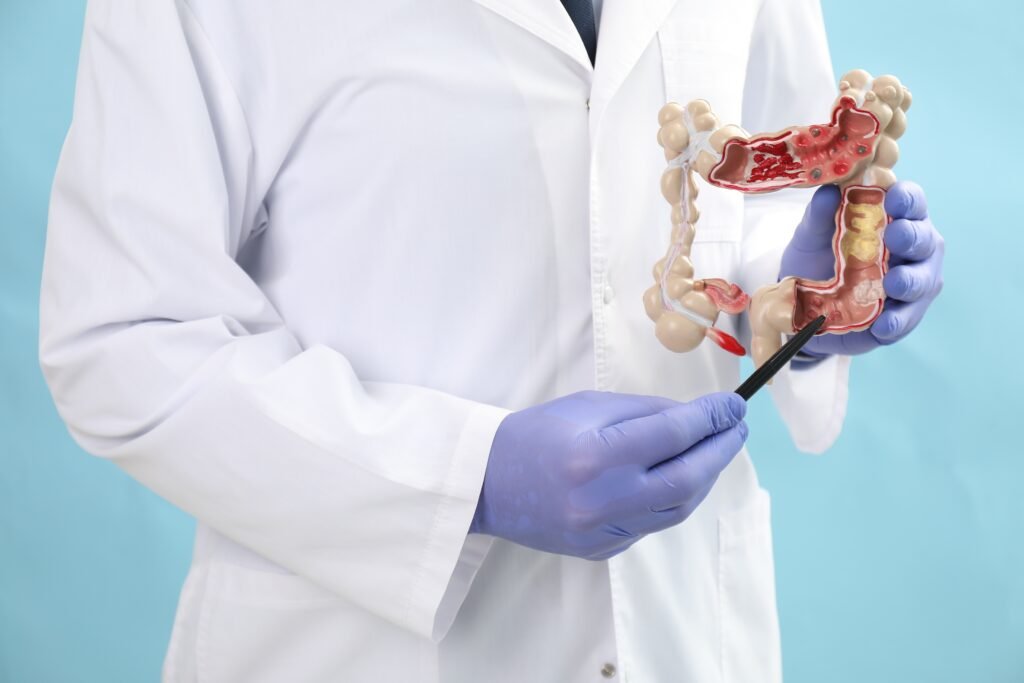
Finding an experienced proctologist in Athens is an important step for patients seeking specialized diagnosis and treatment of conditions affecting the anus, rectum, and surrounding tissues. Modern proctology combines advanced surgical techniques, minimally invasive procedures, and individualized medical care to address a wide range of anorectal conditions.
Common conditions such as hemorrhoids, pilonidal cysts, anal fistulas, and anal fissures require accurate diagnosis and a treatment approach tailored to each patient’s clinical needs. Advances in medical technology have expanded the available therapeutic options, including laser-assisted and sphincter-preserving techniques that may offer benefits for appropriately selected patients.
Choosing a qualified General Surgeon and Proctologist in Athens is essential for determining the most suitable treatment strategy. The surgeon’s expertise, understanding of anorectal anatomy, and experience with different surgical approaches contribute to effective treatment planning, preservation of normal function, and long-term patient care.
What Does a Proctologist in Athens Treat?
A proctologist in Athens specializes in the diagnosis, evaluation, and treatment of conditions affecting the anus, anal canal, rectum, and surrounding tissues. Proctology is a specialized field of surgical practice that combines clinical expertise with modern diagnostic methods and a range of conservative, minimally invasive, and conventional surgical treatments.
A General Surgeon and Proctologist is responsible for identifying the underlying causes of anorectal symptoms and recommending an appropriate treatment strategy. This requires a thorough understanding of anorectal anatomy, disease progression, and the indications for different therapeutic approaches.
Proctological care may involve the management of several conditions, including hemorrhoidal disease, anal fissures, anal fistulas, anorectal abscesses, and certain disorders affecting bowel function. Surgeons with relevant expertise also commonly treat pilonidal disease, which typically develops near the tailbone.
Depending on the patient’s symptoms and medical history, the diagnostic process may include a physical examination, anoscopy, proctoscopy, or additional investigations when clinically indicated.
Modern proctology in Athens emphasizes individualized treatment planning rather than applying the same procedure to every patient. While some conditions respond to conservative measures or medication, others may benefit from specialized surgical intervention.
The primary objective is to establish an accurate diagnosis, address the underlying condition, preserve normal anatomical function, and support long-term patient well-being.
Read also here: Proctology in Greece: Modern Treatments and Specialized Surgical Care
When Should You Visit a Proctologist?
Consulting a proctologist in Athens is recommended when symptoms affecting the anal or rectal area persist, recur, or interfere with daily activities. Although many anorectal conditions are common and treatable, similar symptoms can be associated with different medical conditions, making accurate diagnosis particularly important.
A specialized General Surgeon and Proctologist can evaluate symptoms, identify their underlying causes, and determine whether conservative management, additional diagnostic examinations, or surgical treatment is appropriate.
Some of the most common signs that may indicate the need for a proctological consultation include:
Rectal bleeding: Blood during or after bowel movements may be associated with hemorrhoids or anal fissures, but other conditions must also be considered.
Persistent anal discomfort: Discomfort during bowel movements, prolonged sitting, or daily activities may require specialized assessment.
Swelling or a palpable lump: Changes around the anal area may be related to hemorrhoidal disease, inflammation, or other anorectal conditions.
Itching or irritation: Persistent irritation may be associated with dermatological conditions, hemorrhoids, or other local causes.
Unusual discharge: Recurrent drainage or discharge from the skin surrounding the anus may indicate an anal fistula or another condition requiring examination.
Changes in bowel habits: Persistent changes in bowel movements, particularly when accompanied by bleeding or other symptoms, should be medically evaluated.
Early consultation allows the specialist to assess the condition before deciding on the most appropriate treatment strategy. In many cases, timely diagnosis makes it possible to begin with conservative measures or less invasive interventions when clinically suitable.
However, rectal bleeding should never automatically be attributed to hemorrhoids without medical evaluation. Heavy or persistent bleeding, severe pain accompanied by fever, or rapidly increasing swelling may require urgent assessment.
For patients seeking specialized proctological care in Athens, the objective of an initial consultation is to establish a clear diagnosis, explain the available treatment options, and develop an individualized care plan based on their medical needs.
Read also here: IVF Process in Greece: A Step-by-Step Guide
Common Conditions Treated by a Proctology Surgeon in Athens
A specialized proctology surgeon in Athens provides diagnosis and treatment for a range of anorectal conditions, using different therapeutic approaches according to the patient’s symptoms, medical history, and clinical findings.
Although several anorectal diseases may present similar symptoms, their underlying causes and treatment requirements can differ significantly. For this reason, the experience of a General Surgeon and Proctologist is essential in determining the appropriate management strategy and selecting the most suitable surgical technique when necessary.
Hemorrhoids and Modern Treatment Approaches
Hemorrhoidal disease is among the most common conditions treated by a proctologist in Athens. It may cause rectal bleeding, swelling, itching, discomfort, or prolapse, depending on the severity and characteristics of the condition.
Treatment is selected according to the hemorrhoid grade, the presence of prolapse, and the patient’s individual clinical needs. While early-stage hemorrhoidal disease may respond to conservative measures, more advanced cases may require specialized procedures.
Modern surgical options include Laser Hemorrhoidoplasty (LHP) and HAL-RAR, alongside conventional techniques when clinically indicated.
An experienced surgeon evaluates the advantages and limitations of each approach, aiming to achieve effective symptom management while preserving healthy tissues and minimizing unnecessary intervention.
For a detailed explanation of the available techniques, read Hemorrhoid Treatment in Athens: Best Minimally Invasive Options.
Pilonidal Cyst and Sinus Disease
Pilonidal disease typically develops near the tailbone and may involve the formation of small openings or sinus tracts beneath the skin. In some cases, it can cause recurring inflammation, infection, or persistent discharge.
The surgical management of pilonidal disease depends on the extent of the affected area, the presence of active infection, and whether the condition has previously been treated.
Modern approaches, including SiLaC (Sinus Laser Closure) and selected endoscopic techniques, may be suitable for certain patients. However, extensive or recurrent disease may require alternative surgical procedures.
A qualified surgeon assesses the anatomical characteristics of the condition before recommending a treatment, with particular attention to wound healing and the likelihood of recurrence.
Explore the available surgical approaches in Pilonidal Cyst Treatment in Athens: Laser and Minimally Invasive Options.
Anal Fistulas and Specialized Surgical Care
An anal fistula is an abnormal channel that usually develops between the anal canal and the surrounding skin, often following an anorectal abscess.
Its surgical management requires particular expertise because the fistula tract may involve the anal sphincter muscles, which are essential for maintaining bowel continence.
The choice of treatment depends on the fistula’s location, complexity, relationship with the sphincter muscles, and any previous surgical interventions.
Specialized procedures such as FiLaC (Fistula Laser Closure), FIXcision, and other sphincter-preserving techniques may be considered in appropriately selected cases. Conventional surgical approaches remain important when they offer a more suitable treatment option.
The surgeon’s experience is particularly valuable in balancing effective fistula management with the preservation of normal anorectal function.
Learn more about the available procedures in Anal Fistula Treatment: FiLaC and Modern Minimally Invasive Techniques.
Anal Fissures and Individualized Treatment
An anal fissure is a small tear in the lining of the anal canal, commonly associated with discomfort and bleeding during bowel movements.
The distinction between acute and chronic anal fissures plays an important role in determining the appropriate treatment strategy.
Initial management often includes dietary modifications, improved bowel habits, and prescribed topical treatments. When symptoms persist or the fissure becomes chronic, additional procedures may be recommended.
These may include botulinum toxin injections or surgical treatment, such as lateral internal sphincterotomy, depending on the patient’s clinical condition and individual continence risk.
A specialized General Surgeon and Proctologist in Athens evaluates the underlying factors contributing to the fissure and selects a treatment approach aimed at promoting healing while protecting normal sphincter function.
Discover more about the available treatments in Anal Fissure Treatment: From Conservative Care to Modern Surgical Options.
Modern and Minimally Invasive Proctology Treatments in Athens
Advances in surgical technology have expanded the range of treatment options available to patients seeking a proctologist in Athens. Modern proctological care combines established surgical methods with minimally invasive and laser-assisted procedures, allowing specialists to develop treatment plans based on the individual characteristics of each condition.
Minimally invasive techniques aim to address affected tissues while limiting unnecessary damage to surrounding anatomical structures. Depending on the procedure and the patient’s clinical condition, these approaches may offer benefits such as reduced postoperative discomfort, smaller surgical wounds, and a faster return to everyday activities.
Some of the modern techniques used in specialized proctological surgery include:
Laser Hemorrhoidoplasty (LHP): A laser-assisted procedure designed to reduce hemorrhoidal tissue in appropriately selected patients.
HAL-RAR: A technique combining Doppler-guided hemorrhoidal artery ligation with repair of prolapsing hemorrhoidal tissue.
FiLaC (Fistula Laser Closure): A minimally invasive approach that uses laser energy within an anal fistula tract, aiming to treat the fistula while preserving sphincter structures.
SiLaC (Sinus Laser Closure): A laser-based technique used in selected cases of pilonidal sinus disease.
FIXcision: A specialized instrument-based technique used in certain anal fistula procedures to remove fistula tract tissue while limiting disruption of surrounding structures.
However, the availability of advanced surgical techniques does not mean that minimally invasive treatment is suitable for every patient. Conventional surgical procedures remain important and may provide more appropriate or durable results in certain clinical situations.
The selection of a treatment depends on several factors, including disease severity, anatomical characteristics, previous interventions, the risk of recurrence, and the need to preserve normal anorectal function.
An experienced General Surgeon and Proctologist in Athens should be familiar with different therapeutic approaches and understand their indications, limitations, and potential complications.
Ultimately, modern proctology is not defined solely by the technology used during surgery. It is characterized by accurate diagnosis, evidence-based treatment selection, and individualized surgical planning, with the objective of achieving effective long-term outcomes while prioritizing patient safety and quality of life.
Read also here: Everything you need to know about hair loss in women
How to Choose the Right Proctologist in Athens
Choosing the right proctologist in Athens is an important decision for patients seeking specialized diagnosis and treatment of anorectal conditions. Beyond access to modern surgical techniques, the surgeon’s qualifications, clinical experience, and approach to individualized care are essential factors when evaluating the available options.
An experienced General Surgeon and Proctologist should be able to assess different anorectal conditions, recognize complex cases, and recommend treatment based on established medical evidence and each patient’s individual needs.
When selecting a proctology specialist, several factors deserve particular attention:
Medical qualifications and specialized training: A surgeon’s educational background, postgraduate qualifications, and training in proctological procedures provide important information about their professional expertise.
Experience in anorectal surgery: Familiarity with common and complex conditions, including recurrent disease and previous surgical interventions, is particularly valuable when planning treatment.
Knowledge of different treatment techniques: A qualified specialist should understand the indications and limitations of conventional surgery, minimally invasive procedures, and non-surgical management.
Individualized medical assessment: Treatment recommendations should be based on clinical findings, anatomical characteristics, medical history, and the patient’s specific circumstances.
Clear communication and informed decisions: Patients should receive understandable explanations about their diagnosis, available treatments, expected recovery, and possible complications.
Postoperative care and medical follow-up: Access to appropriate monitoring and clear postoperative instructions is an important part of comprehensive surgical care.
Another consideration is the healthcare environment in which the surgeon provides treatment. Access to appropriately equipped medical facilities, diagnostic services, and surgical support can contribute to coordinated patient care.
Patients searching for the best proctologist in Athens should focus on verifiable qualifications, relevant surgical experience, and the specialist’s ability to provide appropriate treatment for their particular condition rather than relying exclusively on promotional claims.
Ultimately, selecting a proctology surgeon involves finding a medical professional who combines specialized knowledge with careful clinical evaluation, transparent communication, and a commitment to patient safety.
The most important consideration is not simply which surgical techniques a doctor offers, but whether they can identify and recommend the most appropriate treatment for each individual patient.
Dr. Dimitrios Mousiolis – General Surgeon and Proctologist in Athens
Dr. Dimitrios Mousiolis, MD, MSc, PhD, is a specialized General Surgeon and Proctologist in Athens, with extensive experience in the diagnosis and surgical management of anorectal conditions. He serves as Director of Minimally Invasive Endoscopic Surgery for Rectal and Anal Diseases at Metropolitan General Hospital.
His medical background includes postgraduate studies and specialized surgical training in Greece and abroad, particularly in Germany, Austria, and Italy. Through his continued professional development, Dr. Mousiolis has acquired expertise in modern proctological procedures, combining established surgical methods with minimally invasive and laser-assisted techniques.
His areas of specialization include:
Hemorrhoidal disease: Modern treatment approaches, including Laser Hemorrhoidoplasty (LHP) and HAL-RAR.
Pilonidal disease: Minimally invasive procedures, including SiLaC and endoscopic surgical techniques.
Anal fistulas: Specialized techniques such as FiLaC and FIXcision, with an emphasis on preserving anal sphincter function.
Anal fissures: Individualized conservative and surgical management according to the patient’s clinical characteristics.
An important aspect of Dr. Mousiolis’ surgical approach is the selection of the most appropriate treatment based on accurate diagnosis, anatomical findings, and the individual needs of each patient.
Rather than relying exclusively on a single technique, he evaluates the available therapeutic options, considering their effectiveness, limitations, and potential impact on long-term outcomes.
For patients searching for an experienced proctologist in Athens, his specialized training, clinical experience, and familiarity with different surgical approaches are important considerations when seeking individualized proctological care.
Patients can learn more about his professional background, qualifications, and available treatments by visiting the official profile of Dr. Dimitrios Mousiolis – General Surgeon and Proctologist in Athens.
What to Expect During Your First Proctology Appointment
The first consultation with a proctologist in Athens is an important step towards understanding the underlying cause of anorectal symptoms and identifying the most appropriate treatment options. The appointment focuses on accurate diagnosis, individualized medical assessment, and clear communication between the patient and the specialist.
During the initial visit, the General Surgeon and Proctologist reviews the patient’s medical history, current symptoms, previous treatments, and any relevant health conditions. This information helps determine whether further investigation or specialized treatment is necessary.
Depending on the symptoms, the consultation may include:
Medical history assessment: Discussion of symptoms, their duration, previous treatments, and relevant medical conditions.
Physical examination: Careful evaluation of the anal and surrounding areas to identify possible abnormalities.
Diagnostic procedures: Anoscopy, proctoscopy, or additional examinations when clinically indicated.
Treatment planning: Explanation of the diagnosis and available conservative, minimally invasive, or surgical options.
The examination is adapted to the patient’s condition and comfort, with appropriate attention to privacy and individual needs.
An experienced proctologist in Athens ensures that patients understand their diagnosis, the recommended treatment, and the next steps in their medical care.
For a more detailed explanation of the consultation process, read our guide, Proctology Examination: What to Expect at Your First Appointment in Athens, which explores how to prepare for the visit, what happens during the examination, and how treatment decisions are made.
Frequently Asked Questions About Proctologists in Athens
What does a proctologist in Athens specialize in?
A proctologist in Athens specializes in the diagnosis and treatment of conditions affecting the anus, anal canal, rectum, and surrounding tissues. Common conditions include hemorrhoids, anal fissures, anal fistulas, and anorectal abscesses. General surgeons with relevant expertise also treat pilonidal disease. Depending on the diagnosis, treatment may involve conservative management, minimally invasive techniques, or conventional surgery.
When should I consult a proctologist?
You should consider consulting a proctologist if you experience persistent anal discomfort, rectal bleeding, swelling, unusual discharge, or recurrent symptoms affecting the anorectal area. These symptoms may have different underlying causes, making specialist evaluation important. Rectal bleeding should not automatically be attributed to hemorrhoids, as additional investigations may be necessary to establish an accurate diagnosis.
Can hemorrhoids and anal fistulas be treated with minimally invasive techniques?
Yes. Certain hemorrhoidal conditions and anal fistulas can be treated using minimally invasive proctology techniques, depending on the patient’s clinical characteristics. Procedures such as Laser Hemorrhoidoplasty (LHP), HAL-RAR, and FiLaC may be appropriate in selected cases. However, conventional surgery remains an important option when clinically indicated. The treating surgeon determines the most suitable approach after evaluating the condition.
How do I choose an experienced proctology surgeon in Athens?
When choosing a proctology surgeon in Athens, consider the doctor’s medical qualifications, specialized surgical training, experience in treating anorectal conditions, and familiarity with different therapeutic approaches. An experienced specialist should provide individualized treatment recommendations, explain the potential benefits and limitations of each procedure, and establish a clear plan for postoperative care and follow-up.
Where does Dr. Dimitrios Mousiolis provide proctological care in Athens?
Dr. Dimitrios Mousiolis, MD, MSc, PhD, is a General Surgeon and Proctologist in Athens and serves as Director of Minimally Invasive Endoscopic Surgery for Rectal and Anal Diseases at Metropolitan General Hospital. His clinical expertise includes the diagnosis and surgical management of hemorrhoids, pilonidal disease, anal fistulas, and anal fissures, using conventional and minimally invasive techniques according to each patient’s individual needs.